Retail presentation
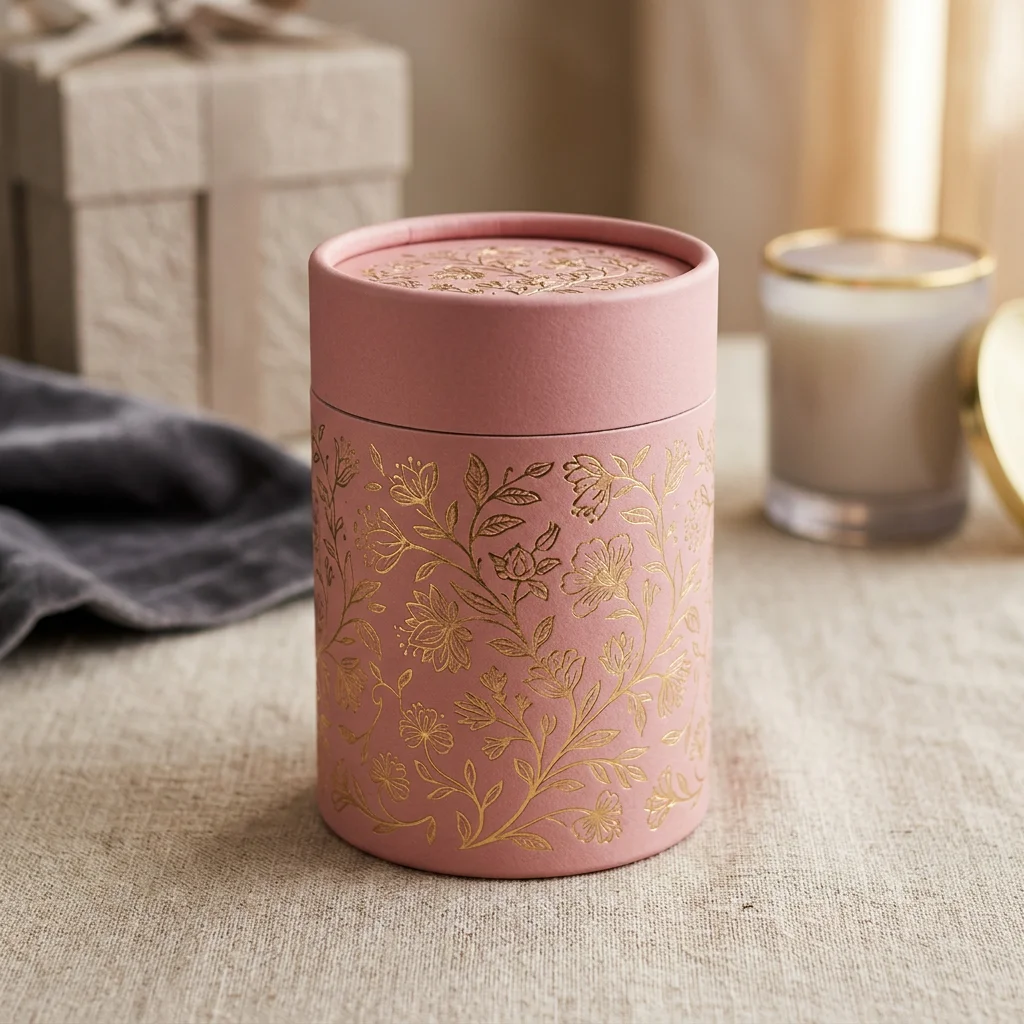
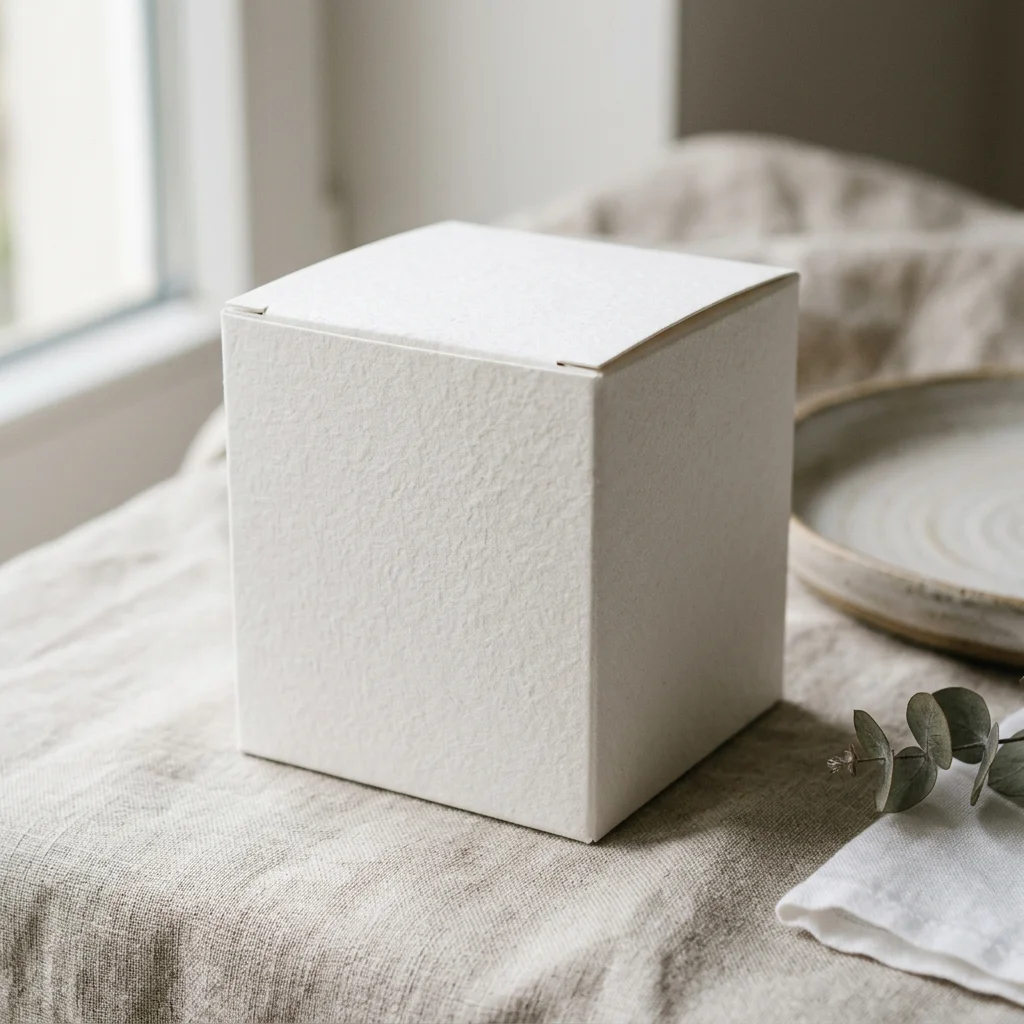
Rigid or folding cartons can carry the brand story, but closure strength, label clearance and easy removal still determine usability.

Candle Packaging Buyer Guide
Glass, ceramic and concrete candle vessels can fail when the pack allows movement or transfers impact to a rim, lid or base. The retail box, fitted insert and outer shipping carton should be evaluated as one system.
A candle box should locate the vessel without excessive pressure, protect its most vulnerable areas and survive the intended distribution route. “Snug” means controlled movement—not a fit so tight that the insert damages labels, coatings or glass.
Rigid or folding cartons can carry the brand story, but closure strength, label clearance and easy removal still determine usability.
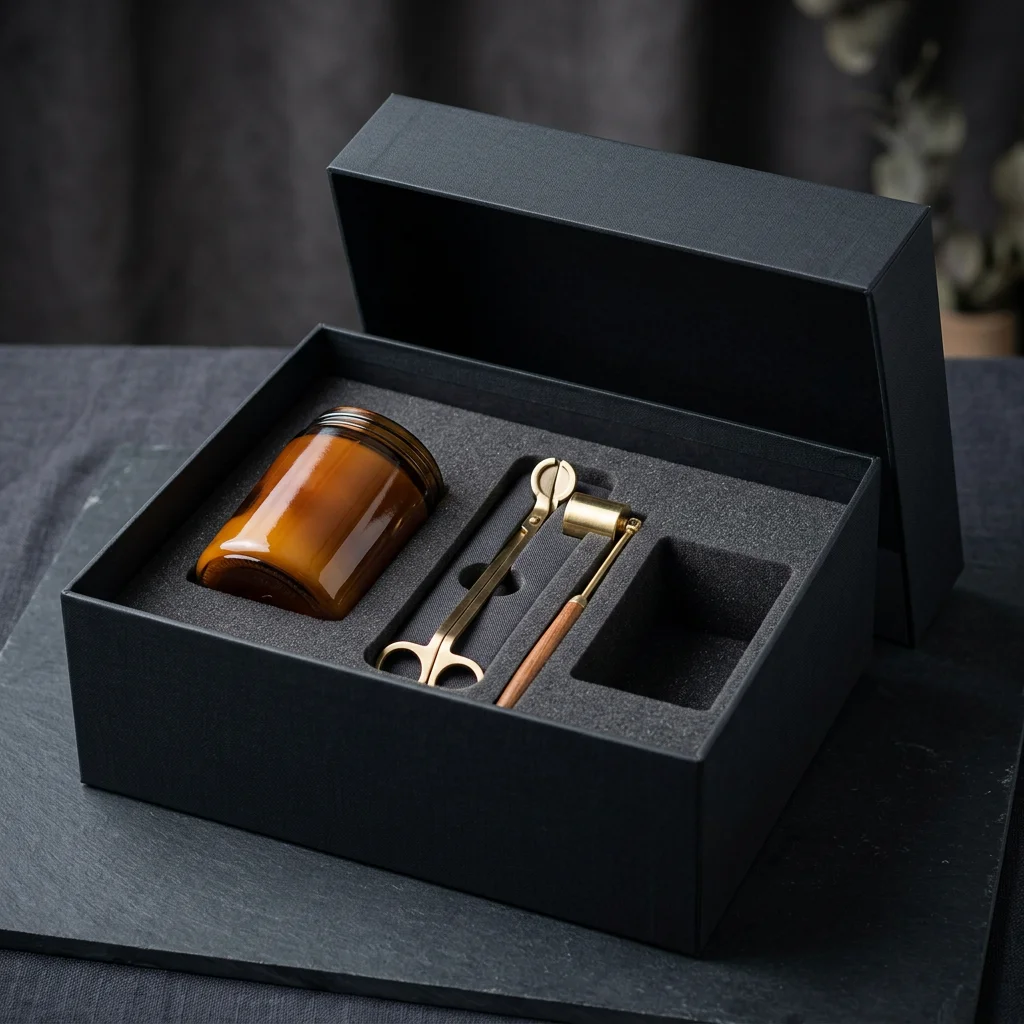
Paperboard, molded pulp, corrugated or foam inserts create different levels of location, cushioning, appearance and material separation.
A premium retail box is not automatically a parcel shipper. Review void space, outer-board grade, case packing and route-specific handling.
Protection Matrix
| Format | Risk to review | Packaging approach | Validation |
|---|---|---|---|
| Glass jar candle | Rim impact, base shock, lid movement | Fitted insert plus tested outer shipper | Drop, vibration and shake checks with filled product |
| Ceramic vessel | Brittle fracture and surface abrasion | Non-marking contact surfaces and controlled clearance | Inspect all contact points after transport simulation |
| Candle gift set | Items collide or accessories migrate | Dedicated compartments with finger access | Test every intended product combination |
| Retail-only candle | Shelf scuffing and closure fatigue | Folding carton or rigid box matched to display needs | Repeated open/close and shelf-handling review |
Temperature can affect wax, fragrance and vessel behavior, but a paper retail box should not be described as thermal protection without a validated pack-out and route test.
RFQ Checklist
Buyer FAQ
For parcel delivery, often yes. The printed retail box presents and locates the product, while the outer shipper and cushioning manage distribution hazards. The exact system depends on vessel fragility and route.
It should limit movement without applying damaging pressure. Include label thickness, coating, lid shape and manufacturing tolerances when setting the insert opening.
There is no universal answer. Paperboard and corrugated inserts are easy to print and separate; molded pulp can cradle complex shapes; foam may provide different cushioning. Compare protection, appearance, cost and end-of-life needs.
Start with a fitted structure, remove uncontrolled void space and test the filled product in its final retail and shipping pack. Record failures by corner, edge, face and vessel contact point before revising the design.
A shared outer box may work with interchangeable inserts, but every configuration needs a fit and carrying test. Too much universal clearance can increase movement and shipping volume.
Size, structure, insert tooling, print, finishes, quantity and sample requirements all matter. Request quotations at several volume tiers so setup costs and inventory risk can be compared.