Boutique retail
Coordinate folding, tissue, stickers, hangtags, boxes and carry bags so the presentation can be repeated quickly at the counter.
B2B Boutique & E-commerce Packaging
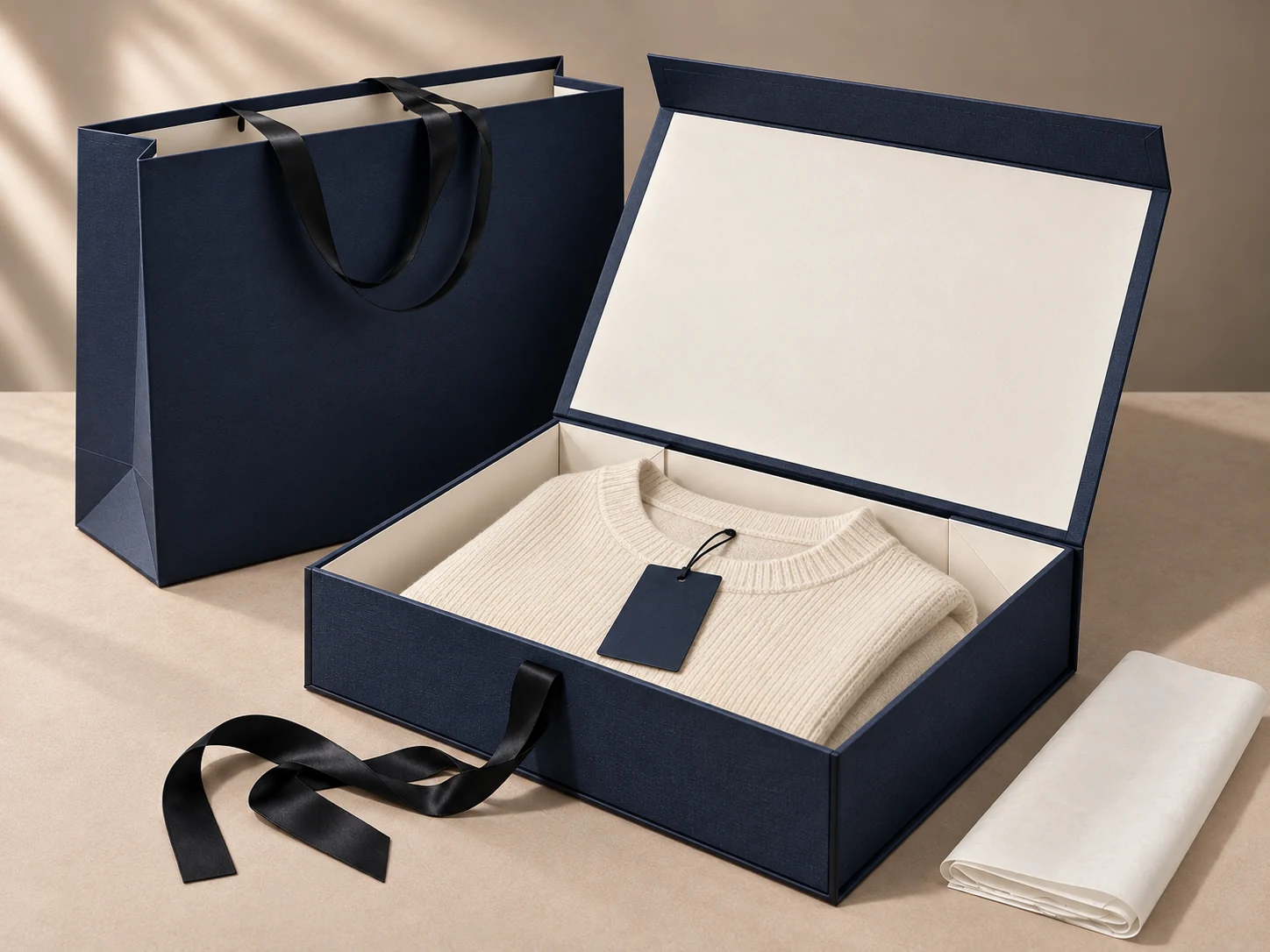
Magnetic Box | Matching Paper Bag

Drawer Style | Black Silk Insert
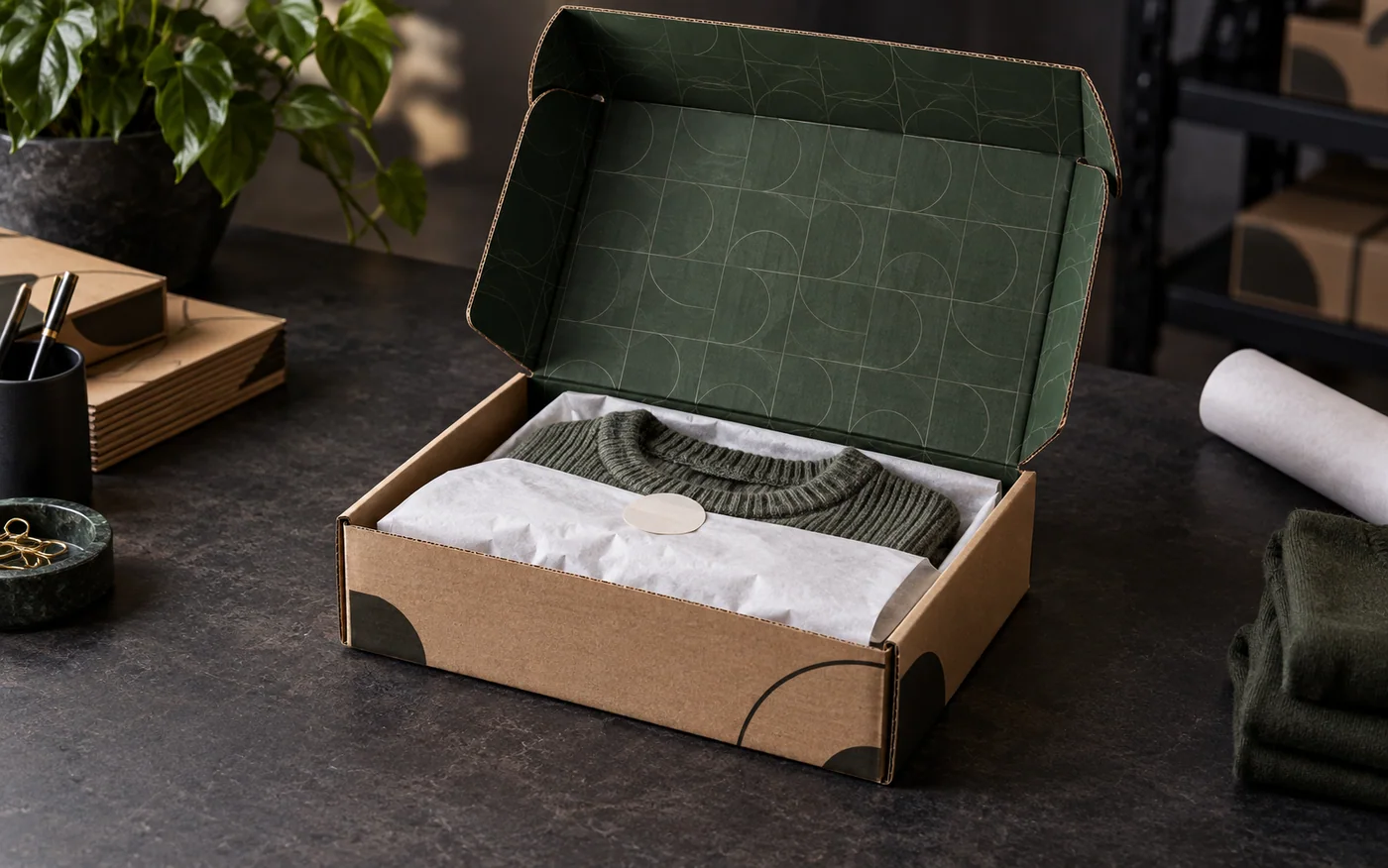
Corrugated | Inside Print
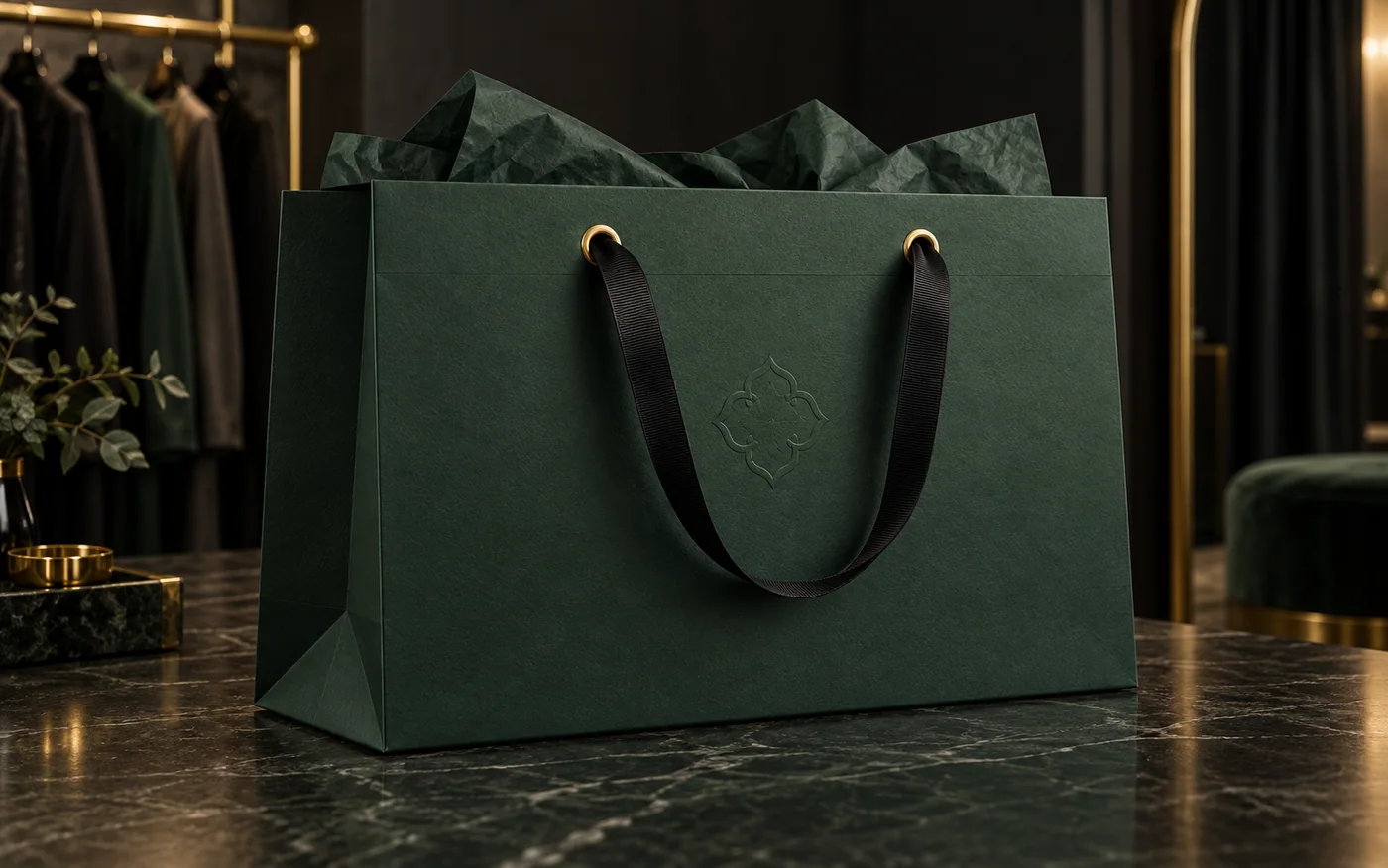
High-GSM | Ribbon Handle
Apparel Packaging Buyer Guide
Apparel is lightweight but variable in folded size. Packaging must protect against dirt and moisture while avoiding unnecessary volume across single-item, multi-item and gift orders.
Choose the smallest practical packaging family that covers the dominant garment sizes and order quantities. Separate presentation layers from the outer shipping layer, and confirm how customers will open and return the order.
Coordinate folding, tissue, stickers, hangtags, boxes and carry bags so the presentation can be repeated quickly at the counter.
Review rain exposure, seam strength, tamper evidence and returns. Paper and plastic-based formats have different protection and disposal trade-offs.
Use rigid or folding gift boxes where presentation supports the product value, but avoid empty depth that increases storage and freight.
Format Matrix
| Channel | Common format | Main risk | Decision point |
|---|---|---|---|
| Store purchase | Paper bag, tissue or gift box | Slow wrapping and inconsistent presentation | Staff packing time and carry comfort |
| Single online garment | Mailer with inner protection as required | Moisture, puncture or excess volume | Garment sensitivity and local weather route |
| Multi-item order | Mailer box or larger mailer | Items unfold or shift | Average basket and void control |
| Luxury apparel gift | Folding or rigid box plus shipper | Retail box damaged in parcel network | Separate presentation from transit protection |
“Compostable,” “recyclable” and “plastic-free” claims depend on the complete material, local collection and disposal conditions. Request documentation and market-specific guidance before printing a claim.
RFQ Checklist
Buyer FAQ
It can suit some routes, but paper loses performance when wet. Review garment sensitivity, weather exposure, closure, seams and whether a separate inner protective layer is needed.
Group folded garments and order baskets by packed size. Choose a small family that covers most orders without excessive empty space, then define an exception pack.
If returns are common, evaluate a second closure, easy-open feature and instructions. The pack must remain sufficiently protective after the first opening.
They organize and present the garment but may not provide enough moisture, puncture or transit protection on their own. Give each layer a clear purpose.
A shared box may use tissue, dividers or interchangeable inserts, but check presentation and movement for every intended combination.
Size, material, print method, finish, structure and quantity all matter. Standard sizes with customized print can sometimes reduce tooling and inventory complexity.
Free sample available · Reply within 2 hours.